
The best hobby isn’t the most impressive one. It’s the one that fits your budget, your space and the time you really have. Some hobbies need expensive equipment, some take months before they feel rewarding and some just don’t suit a small apartment. This list of hobbies to try at home sorts 20 popular options by cost and time, so you can pick one that fits your real life instead of an ideal version of it.
After the list, you’ll find tips for choosing between them and for actually sticking with a new hobby past the first few weeks.
20 hobbies to try at home at a glance
Starting costs are rough and depend on where you shop; “low” means you can start with very little, while “medium” usually means buying a basic beginner kit.
| Hobby | Starting cost | Time per session | What you need to start |
|---|---|---|---|
| Journaling | Low | 10–20 min | Notebook and pen |
| Sketching | Low | 15–30 min | Pencil, eraser, sketchbook |
| Watercolor painting | Low–medium | 30–60 min | Small paint set, brushes, watercolor paper |
| Crochet | Low | 20–60 min | Cotton yarn and a hook |
| Knitting | Low | 20–60 min | Yarn and needles |
| Hand embroidery | Low | 20–45 min | Hoop, fabric, floss, needle |
| Sashiko or visible mending | Low | 20–45 min | Needle, thick cotton thread, patch fabric |
| Indoor herb gardening | Low | 5–10 min a day | Pots, potting mix, seeds or seedlings |
| Baking bread | Low | Hands-on 30 min, plus rising time | Flour, yeast, salt, a loaf tin |
| Letter writing and snail mail | Low | 20–30 min | Paper, envelopes, stamps |
| Jigsaw puzzles | Low | Any | A puzzle and a table |
| Reading challenges or a book club | Low | 20–60 min | Library card |
| Junk journaling and collage | Low | 30–60 min | Notebook, glue, scraps |
| Calligraphy or hand lettering | Low–medium | 20–30 min | Brush pens or a dip pen, practice paper |
| Polymer clay | Medium | 45–90 min | Clay, cutters, oven thermometer |
| Candle making | Medium | 1–2 hours | Soy wax, wicks, jars, thermometer |
| Learning a language | Low | 15–30 min | A free app or library book |
| Home workouts or yoga | Low | 15–45 min | A mat and free videos |
| Film photography | Medium | Any | A secondhand camera and film |
| Collecting vinyl records | Medium | Any | A turntable and a few records |
Creative hobbies
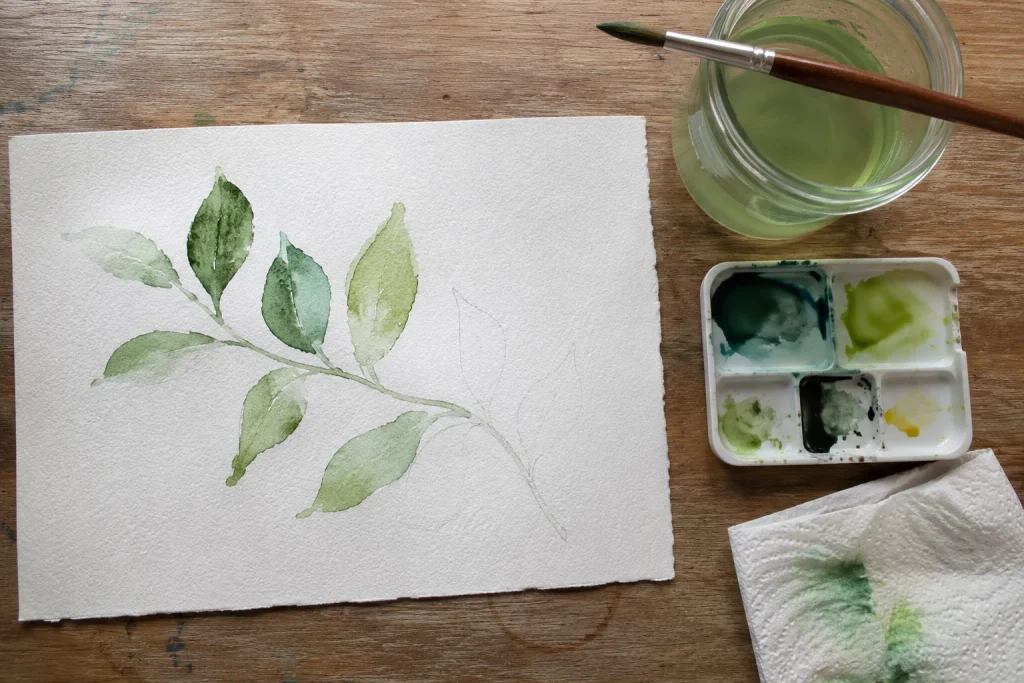
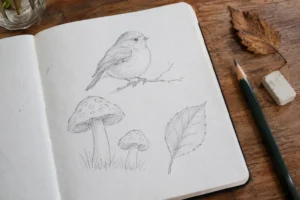
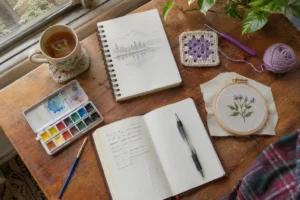
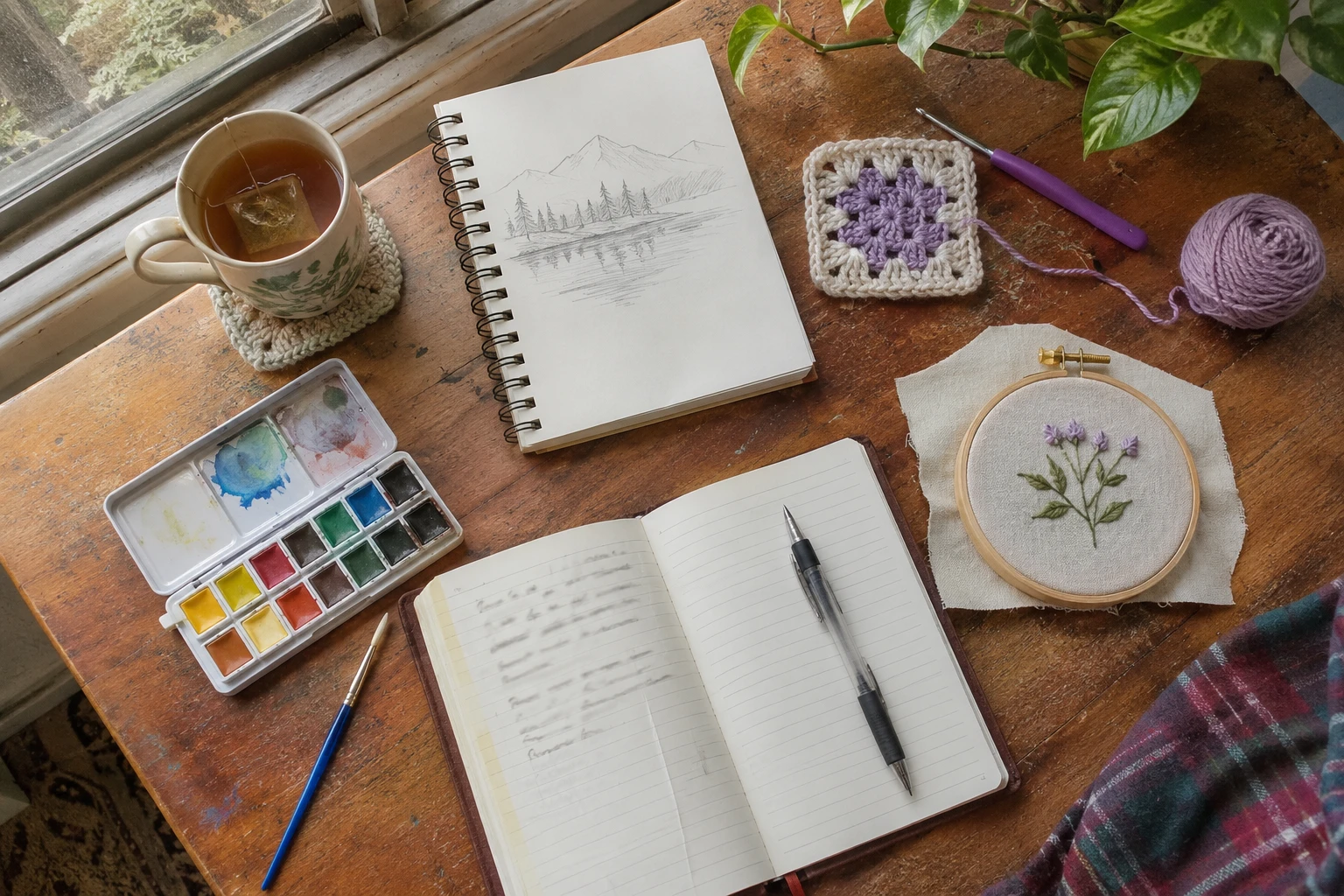
If you’re not sure where to start, I’d pick a creative hobby; seeing something you made keeps you motivated. If you want to make something with your hands, creative hobbies give the most satisfying “look what I made” moments. Sketching and watercolor need very little space and can be done at the kitchen table. Crochet and knitting are portable, so you can work on them while watching a film. Embroidery and sashiko mending are calming and produce something useful or beautiful in a single evening. Pinterest’s 2026 hobby report shows especially fast growth in searches for sashiko, crochet upcycling, clay bag charms and hand embroidery art.
Calming, mindful hobbies
Some hobbies are less about the result and more about slowing down. Journaling, whether it’s a gratitude list, a habit tracker or a daily page, takes ten minutes and helps many people unwind. Jigsaw puzzles give your mind something absorbing to focus on. Yoga and stretching combine calm with movement. Tending plants, from an indoor herb garden to a few houseplants, adds a small daily routine of care.
Practical hobbies
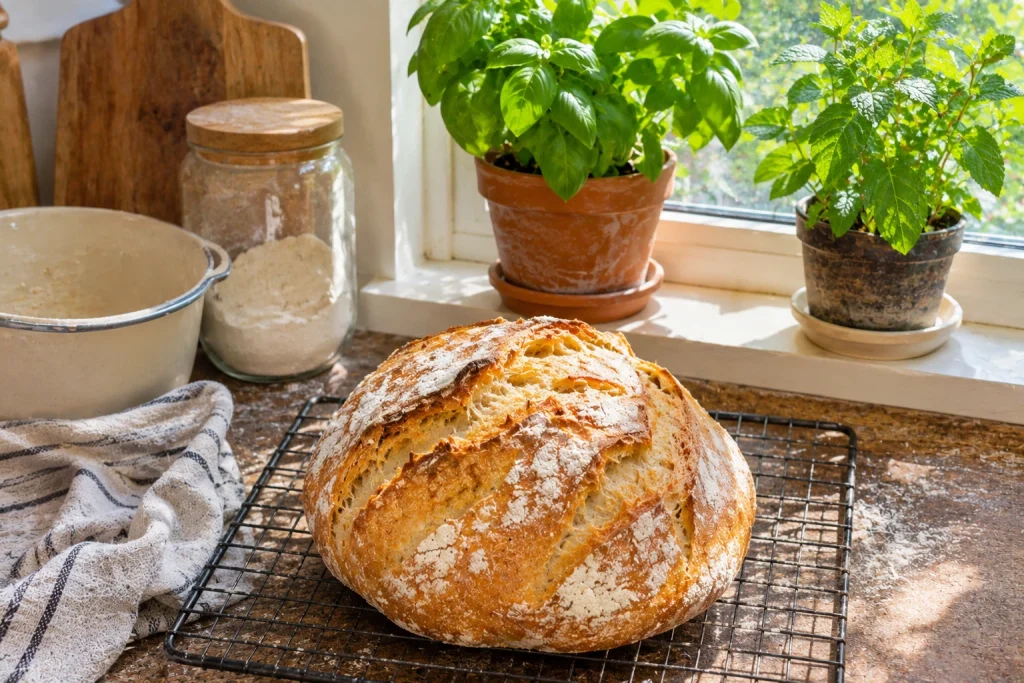
Practical hobbies save money or make daily life nicer. Baking bread fills the house with an amazing smell and gives you breakfast. Growing herbs on a windowsill means fresh basil and mint for cooking. Visible mending keeps favorite clothes in use longer. Candle making and beeswax wraps become handmade gifts.
Social hobbies you can do from home
Hobbies don’t have to be solitary. Letter writing with a pen pal is enjoying a revival, with Pinterest predicting rising interest in snail mail and stationery. A book club can meet in your living room or over video call. Game nights, craft nights with friends and online language exchanges combine a hobby with time with people you like.
Hobbies that suit a small apartment
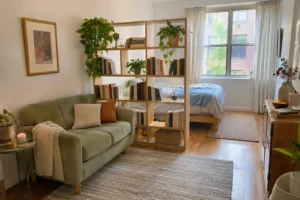
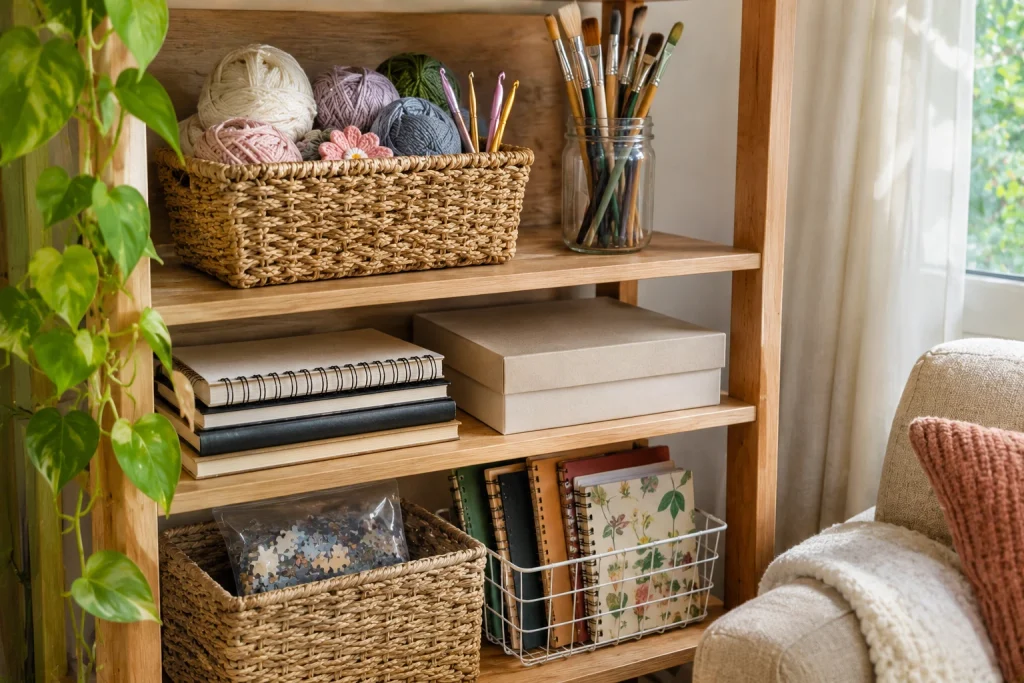
Honestly, the one-basket rule is the best test for any hobby in a small home. If space is tight, choose hobbies whose supplies fit in one basket or box: crochet, knitting, embroidery, sketching, journaling, calligraphy and language learning all qualify. Watercolor needs only a small tray and a jar of water. Puzzles can live on a roll-up felt mat that slides under the sofa between sessions. A windowsill herb garden uses space you already have.
Hobbies that need ventilation, heat or a lot of mess, such as candle making, resin, spray painting or pottery, are easier to try in a class or a shared studio first. That way you can find out whether you enjoy them before filling your home with equipment.
How to choose the right hobby
Choose with your real week in mind, not your ideal one. Ask yourself three questions:
- What do I want to feel? Relaxed, creative, productive, social or active?
- How much time do I really have? Pick something that fits into 20 minutes if your evenings are short.
- How much space and mess can I handle? Watercolor and crochet fit a small apartment; candle making and pottery need more space and ventilation.
Choose one hobby to try for a month rather than buying supplies for five at once.
How to stick with a new hobby
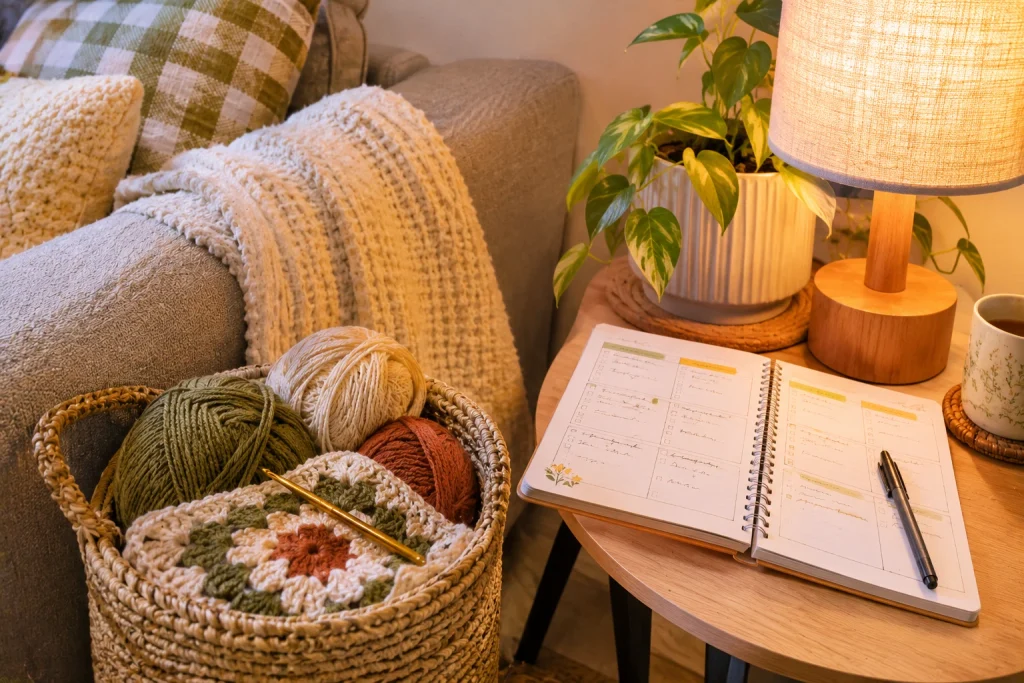
- Start small and cheap. Buy a beginner kit or borrow supplies before investing in expensive tools.
- Schedule it. Two set sessions a week, such as Tuesday and Sunday evenings, beat waiting for free time.
- Keep supplies visible. A basket by the sofa with your crochet or sketchbook makes it easy to start.
- Follow a beginner project. A clear first project, like a dishcloth or a single watercolor leaf, gives you a quick win.
- Expect to be bad at first. Every hobby has a clumsy phase; it usually passes within a few weeks.
- Track your progress. Date your sketches or keep a photo album of finished projects. Seeing improvement is motivating.
- Find people who share it. A local class, a library group or an online community keeps you going.
If you can’t decide, pick the cheapest option on the list that interests you and try it for two weeks. A low-cost start makes it easy to switch if it isn’t for you.
Ready to start? This watercolor guide for beginners and these hand embroidery stitches for beginners are both easy first projects you can finish in an evening.